T2 Tea Restaurant of the Year
A restaurant setting benchmarks for food and service, pushing the hospitality industry forward and supporting Australian producers.
Yiaga
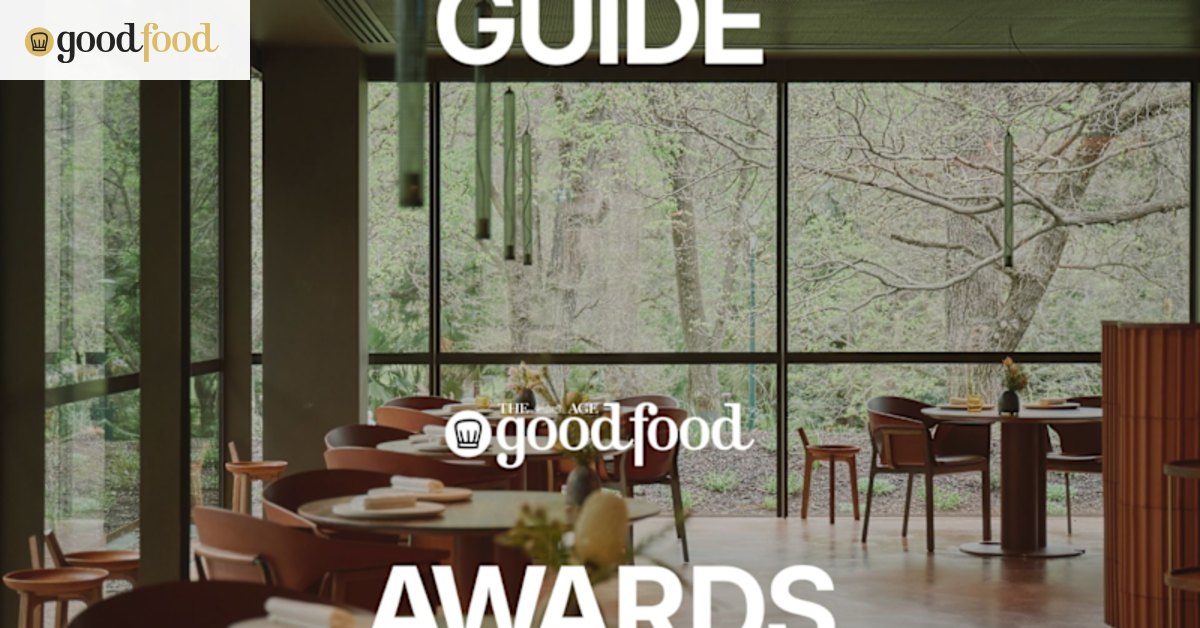
It’s fitting that the room you first step into at Yiaga is wrapped in thousands of terracotta tiles, each one hand-made for the exact spot on the undulating wall where it sits. This near-fanatical commitment to craft forms the backbone of chef Hugh Allen’s first restaurant, run in conjunction with his duties at Vue de Monde.
Beauty is the underlying philosophy. Australia, its landscapes and ingredients and culture, is the muse. Allen and architect John Wardle pored over plans, fabric samples, light fittings and ceramics to build Yiaga. The floors look like the red dirt of Western Australia. The chairs – a feat of furniture design – are crafted from Tasmanian blackwood. A fallen cypress branch from Melbourne’s Royal Botanic Gardens was crafted into the long dining table in the semi-private dining room.
Restaurant reviews, news and the hottest openings served to your inbox.
Sign up
Meaning “to seek and find” in the Woiwurrung language, Yiaga serves 12 courses that roam from Queensland waters to the Victorian Alps without losing sight of flavour. Serene staff will tell you of the fleeting sea urchin season of Mallacoota, honoured in a few mouthfuls of bracing uni resting on chestnut bread. Mandarin and cascabel chilli sorbet looks as vibrant as a high-summer sunset. Squid sliced into tender slivers and bathed in a broth of Thai basil and desert lime speaks of sunshine and seafoam.
Set in lush gardens on the city’s edge, framed by imposing trees and younger native plantings, this is a restaurant that Allen hopes will exist for generations. Yiaga calls itself “a small Australian restaurant nestled in the Fitzroy Gardens”. It might be the understatement of the year.

New Restaurant of the Year, presented by Aurum Poultry Co
One of the most exciting openings of the past 12 months that also has a fresh point of view and captures the moment in the broader restaurant scene.
Roma
In the shadow of an office tower, Roma stands out as much for its neon sign as for what awaits beyond its latticed doors. The room – with its mid-century Italianate vibe, white tablecloths and chequered floor tiles – gives you a magic tingle the minute you step inside.
It’s the platoon of career waiters, all wit and charm and old-school repartee, led by Giovanni Patane. It’s the generosity of the enormous menu, the service from breakfast to late at night, the myriad tiny details that were obviously laboured over.
A white honeycomb lattice ceiling is both a nod to Roman restaurant Trattoria al Moro and a clever design choice to muffle sound. A central table is laden with the day’s antipasti and vases overflowing with flowers. Plates, lights and even salt and pepper shakers feel carefully sourced, piece by piece, to suit the mod Italian mood.
Being an ode to Rome, the menu by Matt Wilkinson includes a whole offal section: beautifully crisped lamb brains with bracing caper salsa, rosy chicken livers, a bright and saucy trippa alla Romana that somehow feels indulgent. It’s a brave wager, but it’s true to the Italian capital’s working-class dishes – and an invitation to curious Melbourne diners.
Wilkinson knows how to play to the crowd, too, with pitch-perfect carbonara and all’amatriciana, gorgeously simple seafood and impeccable gelati.
Italian restaurants dot nearly every high street in this city. But Con Christopoulos and his collaborators have built one that’s distinct not just for its quality but for its personality, an increasingly rare commodity in today’s dining landscape.

Oceania Cruises Chef of the Year
A chef at the forefront of dining, setting new standards, leading by example and contributing positively to their broader community.
Hugh Allen, Yiaga
Midway through your meal at Yiaga, Hugh Allen asks if you’d like to tour the kitchen. By the time you’re back at your table, you’re a budding expert in wood-fired earthenware, in cool-climate ferns and native grasses, in dam-aged wines, in artisan bladesmithing. Hell, you might learn something about food, too. But cooking is just one arrow – albeit razor sharp – in Allen’s quiver. Like the best chefs and the best people, his genius is his curiosity.
Curiosity fashions a fine diner out of a derelict pavilion. Curiosity trims a restaurant with unique clay bricks and hides it in the surrounding elm trees. It makes dramatic opening statements with lettuce. It pairs coconut with caviar. It wraps kangaroo in nasturtiums and suspends them in shiitake broth. It asks “What would it take to operate two three-hat restaurants simultaneously?” and doesn’t wait for a response.
Curiosity is a noble value: it’s kindling for creativity and fuel for good ideas. Allen has it in spades, a chef who spins his obsession with nature and craft into genuinely disruptive blueprints, committing them to the physical world – and to the plate – with clear-eyed brilliance.
Yiaga calls itself ‘a small Australian restaurant nestled in the Fitzroy Gardens’. It might be the understatement of the year.
Awarded three hats right off the bat, suffice to say, Yiaga was a good idea. Sharing it has been a gift to diners here and around the world. Try balancing that with executive chef duties at 55th-floor powerhouse Vue de Monde, also triple-crowned. Oh, and a newborn at home.

Oceania Cruises Service Excellence Award
Executes the highest standard of hospitality relevant to their establishment, from attitude and skill to knowledge and personality
Ainslie Lubbock, Pt. Leo Estate
She’s no stranger to the top of the dining tree (or even this award, earning the gong in the 2013 Guide), but Ainslie Lubbock’s current role overseeing service at Pt. Leo Estate’s extravaganza of wining, dining and sightseeing demands a different brand of composure. Leading a troupe of service staff, some of whom might be in their first restaurant jobs, she maintains a remarkable standard of hospitality across a three-pronged mega-venue on the Mornington Peninsula.
Calibrating service to vastly different diners – the special-occasion lunchers in the two-hat tasting-menu temple that is Laura, the big groups of families and winery hoppers at the 110-seat Pt. Leo Restaurant, and the fly-by visitors to the Wine Terrace – takes a true virtuoso. Even on this scale, warmth defines her craft, a quality diners increasingly value as budgets tighten.
It’s unsurprising that the next generation of service stars so often cite Lubbock as a giant of the game. The fact she finds time to share with them her many years of knowledge, her skills as a sommelier and her expertise in running venues speaks volumes. She’s also an invaluable role model for young women who want to balance hospitality careers with other goals in life.
Ambition, humility and talent – that’s Ainslie Lubbock.

Regional Restaurant of the Year
The best beyond metro limits – a celebration of its surrounds with a strong connection to the local community.
Barragunda Dining
After a drive along crunchy gravel, through tea trees and past greenhouses, Barragunda appears – a low-slung building nestled into Mornington Peninsula dunes. Inside, the timber-rich dining room frames views of coastal plants and vegetable furrows. Estate-grown produce drives the veg-forward menu, turning up raw, cooked or plucked from the library of preserves shelved beside the kitchen. Each menu is date-stamped, further proof of chef Simone Watts’ commitment to seasonality.
A meal might begin with crisp crudites alongside a fluffy sabayon dusted with leek ash, and a dish whose blunt menu description – “spent hen, fermented quince, daisy bush” – disguises a mini sausage roll with a dab of fruity sauce. Local mussels, some battered, others poached, huddle beneath a creme fraiche foam. Rosy rounds of black Angus paired with wood-fired sugarloaf cabbage may not read as groundbreaking, but when the beef is raised just metres away from the dining room, it anchors an inspiring expression of modern regionality.
The restaurant – established by the Morris family who owns the 405-hectare property – uses profits to fund local charities and sustainable, regenerative food systems. Closed-loop practices and native revegetation are part of the model, and a collective of growers also uses the land to propagate flowers, native plants and vegetables.

Legend Award
For an outstanding long-term contribution to the hospitality industry.
Joseph Abboud
These days, we’re used to chefs training in fine dining, then
melding their schooling with the food of their culture to create brave, soulful restaurants that teach us more about who we are – and who we might become. In the 2000s, not so much. Joseph Abboud had toiled at hatted Euro restaurants Est Est Est, Circa and Ondine before he plunged back into his Lebanese heritage to open Rumi in 2006.
Brunswick East was a different place. There was so little happening in a food sense that the easiest orienteering landmark was a nearby brothel. Share plates had to be explained to many diners. There was frequent anguish about the dark-roasted cauliflower: surely the blackened tinge was in error? But Rumi quickly established itself among Melbourne’s great restaurants, and not only because Anthony Bourdain rhapsodised about the skewered quail in 2009.
The restaurant has moved twice: first just up the road, and in 2023 to East Brunswick Village, where sharp sibling bar Rocket Society became part of the happy picture.
Along the way, Abboud also brought us Bar Saracen, a city play that delivered mighty pleasure to its fans, and proudly inauthentic pizza joint The Moor’s Head.
But Rumi has been the constant – an industry training ground of distinction, and an exemplar of generous hospitality delivered in borderless Middle Eastern banqueting, perhaps marked by fragrant meatballs, tahini-slathered barramundi and just one more sip of arak.

T2 Tea Cafe of the Year
Great coffee. Great tea. Thatʼs a given. The winning cafe also takes pride in its food and service.
Cham
Run by couple Tony Nguyen and Christa Chan-Nguyen, this serene cafe takes notes from both Vietnamese and Aussie breakfast culture. Christa runs front-of-house, although, like Tony, she’s also a trained chef. He brings experience from Aru, Supernormal and Firebird to craft dishes that remind him of his upbringing.
Staff glide around with warmth and smiles, adding to the calm that comes from well-spaced tables, white-washed walls and a gorgeous installation of indigo-dyed fabric that resembles rolling waves when a breeze wafts through. Furniture, lamps and ceramics are sourced from Vietnam, some fabricated using centuries-old traditions, others based on cutting-edge contemporary design.
For banh mi chao – “bread with pan” – house-made pork meatballs, chicken liver pâté and an egg mingle in a skillet bubbling with tangy tomato sauce; a crusty baguette attends to mopping-up duties. Think of it as a big breakfast. At lunch, broken rice is laced with chicken fat and topped with sliced confit duck fanned out like an accordion. Chicken pho simmers for around 13 hours, the broth so rich it’s nearly viscous.
Personality permeates the drinks menu without compromising quality. Iced jasmine matcha is unimpeachable, jasmine tea and pineapple foam are surprisingly delicious partners, and Vietnamese coffee is made with beans from a specialty roaster in Vietnam, Every Half.
A Venn diagram of nerdiness and warmth, precision and enjoyment, Vietnam and Australia, Cham gracefully encapsulates the best of Melbourne cafe culture right now.

Critics’ Pick of the Year
A venue, hatted or not, that captures the moment, brings something special to our dining scene and is consistently on our criticsʼ hit lists.
Sagye
Each time the Sagye door opens to farewell a diner, they’re chased by the intoxicating musk of slow-simmered wagyu. First-timers have been lured by the steamy social media reels. Repeat diners are here to revive that powerful olfactory memory, a scent so rich you can almost chew it.
Where Korea’s gomtang sits in the pantheon of beef soups is between you and your god. But at $28 a serve, this one is a fairly affordable ride to heaven – especially given it’s served in a $200 bronze bowl hand-beaten by fourth-generation Korean artisans.
At the bottom, a handful of short-grain rice. Above, three cuts of wagyu beef made wondrously tender: shank, chuck roll, brisket. Meaty broth, simmered for hours and skimmed clean, is ladled over the top like liquid gold, deeply soothing, savoury and complex. House-made kimchi of radish, wombok and mustard leaves is served alongside for a lightly effervescent reprieve with instructions to help yourself to more.
But it’s not all soup. Bulgogi is tossed with ginkgo nuts and five-centimetre batons of spring onions for an extra-savoury rendition. Mandoo, Korea’s chunky dumplings, are plump with juicy pork and supercharged with green tea.
Service is calm and intentional, fit for purpose given there is no wine list to ogle and a hungry queue to triage. As such, your time here will be relatively brief. But it won’t be rushed: it will be soothing, it will be restorative and it will be underpinned by exemplary commitment to craft.
Restrained and focused, Sagye writes another chapter in Australia’s appreciation of Korean food.

Bar of the Year
The best all-round bar that nails hospitality, drinks and vibe while contributing to its broader community.
Three Horses
Rob Libecans, Matt Stirling and Ryan Noreiks will go down in Melbourne cocktail history, and they would have even if they’d never opened Three Horses, the winner of this year’s Good Food Guide Bar of the Year. Caretaker’s Cottage, the trio’s other venue (and the winner of the same accolade in 2022), already had them on the global map for its historic location, music-geek sound system and incomparable freezer martinis.
Three Horses, which sits just stumbling distance from Caretaker’s, had to be different enough to warrant expansion while maintaining all of the excellence that we’ve come to expect from this crew. We’ve gotta say: they hit it out of the park. This is one of the most convivial rooms in the city, its bar backed by a dream-like horse mural that’s park Lisa Frank, part Salvador Dali.
The menu’s focus on sherry offers a whole new playground for drinkers, from hard-to-find, interesting pours to truly ingenious cocktails. This spring saw a daiquiri made with sugar snap peas, while your sherry cobbler might get its depth from gochujang.
The bar team are smart and engaged and seem genuinely happy to be there, leaving the cliche of the serious cocktail bar as a bastion of snobbery firmly in the past, where it belongs.
That’s the beauty of Three Horses: it subverts and exceeds expectations at every delicious, joyous, sherry-soaked turn.

Pub of the Year
A quintessential pub – new or old – that’s embedded in its community, offers food and drink that’s a cut above, and is welcoming to all.
Alpine Hotel Warburton
Time slows at this 141-year-old pub perched atop a hillock in Warburton at the doorstep of the Yarra Ranges. The stately red brick building – respectfully updated in 2021 by couple Rachael and Anthony Northwood – welcomes big groups in its beer garden (where you might catch live music) and families in the bistro, with a dog-friendly atrium and semi-private child-free dining area to boot. Locals mix with hikers, trail runners, cyclists and activewear-clad tourists who are here to absorb the sights, sounds and clean air of this quiet pocket of Victoria.
Chef James Holdom takes every opportunity to showcase ingredients from local producers. A pub staple like the burger doesn’t skip a beat with its Yarra Valley grass-fed wagyu beef patty, and house-made burger sauce and pickled zucchini. Other dishes weave in references to the Arabian peninsula, the Indian subcontinent and East Asia. Hargreaves Hill pale ale and Watts River IPA continue the local theme, as does much of the wine and cocktail list.
Monthly dinners champion independent Yarra Valley winemakers over five courses; discounts on accommodation upstairs are an extra sweetener. On Tuesdays, locals get 20 per cent off meals and, at weekends, a buffet breakfast spans roasted mushrooms, sausages and bacon, pastries, house- made jam, a delicious fruit salad, and coffee from Silva Roasters in town.
Ticking every box of a true country pub while delivering exceptional food and drink, The Alpine pulls off the great tightrope walk of soul and style.

Young Chef of the Year
The ultimate accolade for a committed and talented chef aged 30 or under with an exciting culinary viewpoint, a social conscience and strong leadership potential.
Kimberly Tang, Ca Com
She’s cooked at storied fine diners, she’s won gold in international cooking competitions, she represents Australia in our national culinary team. Kimberly Tang has been a Young Chef of the Year finalist before, but in 2026, her application was simply too strong to overlook.
Applicants are asked to submit a dish they’re proud of. Tang filed an epic. Named “Before Sustainability Was A Trend”, it comprised eight discrete components served with equal parts identity and conscience, drawing on Japanese, First Nations and Singaporean traditions.
When she’s not cooking for the country, you’ll find her whipping up exemplary broken rice at Anchovy’s sister venue Ca Com under last year’s Chef of the Year Thi Le.
“Kim is quickly growing into herself as a cook, and she’s hungry to shape where this industry goes next,” says Young Chef of the Year judge Jason Staudt. “One to watch.”

Katie McCormack Young Service Talent Award
A front-of-house professional aged 30 or under who consistently strives for excellence and shows genuine passion for hospitality.
Kye Connors, Carnation Canteen
There was a time when greeting a table of strangers might have felt like a bad dream for Kye Connors. Now a venue manager, the once shy 28-year-old didn’t seem destined for a career as a waiter. But stepping towards his fears propelled him into his calling. “Kye’s decision to immerse himself in hospitality to overcome his lack of confidence has gifted him unique skills,” says award judge Bronwyn Kabboord.
Connors anchors his craft in thoughtful gestures. He’ll remember that table always begins with champagne. He’ll choose a sentimental song especially for the Greek family celebrating a birthday. “Creating memorable and personal experiences like these reflects his deep love of the art of hospitality,” says Kabboord.
Connors brings a humanity to this industry, and hopes to promote longevity, not burnout.

Trailblazer Award, presented by SevenRooms
A venue, organisation or person who brings fresh thinking, warmth, integrity and entrepreneurial spirit to our industry.
Samuel Fraraccio, The Brick Chef
That new restaurant you’re swooning over? The one where the chef talks about all the dishes touched by fire, charcoal and smoke? There’s a good chance that flame-licked goodness is indebted to Samuel Fraraccio, better known as The Brick Chef. Fraraccio handcrafts ovens and grills in his workshop on the outskirts of Melbourne, each one built to spec for restaurant kitchens across Australia – and built to last.
Beyond unlocking deliciousness, Fraraccio’s designs are fuel efficient, manage ventilation and are modular to enable repair and adjustments over time. A sole operator and determined collaborator, Fraraccio’s bespoke craftsmanship ranges from Yiaga’s swank integrated grill, to forthcoming Agnii’s Sri Lankan-style dara lipa hearth and Tom Sarafian’s dream kitchen at Zareh. The handsome wood-fired oven and open grill at Tedesca Osteria, too.
Brick by brick, spark by spark, Samuel Fraraccio helps shape our city’s flavourscape.

Drinks List of the Year
A wine and drinks list with its own unique identity, featuring options that pair with the restaurant’s food and style across a range of prices.
Cote Basque
There are many roads to take at this buzzy new Spanish-leaning grill, but they all lead to pleasure. You might begin sensibly: manzanilla or vermouth, something salty to snack on. Then someone mentions champagne. A bottle of txakoli, the Basque region’s signature sparkling wine, might follow, all Atlantic snap and salt. The list pulls you inland towards navarra garnacha and rioja as the food gets hotter, darker, meatier.
And then comes the dangerous bit: the plates are cleared but the list holds yet more intrigue. Madeira. Port. Grappa. The Basque liqueur Izarra. A sauternes cocktail or reviving Shakerato of Braulio and coffee. There are big-ticket wines here, but you can drink royally on a less regal budget. Good bottles sit between $70 and $80. You can wander by the glass. Perhaps you’ll split a half bottle, or disappear into Burgundy if the evening has taken a turn. Thoughtful non-alcoholic options reflect today’s habits.
You don’t even need to commit to dinner to enjoy the possibilities of Cote Basque, the latest restaurant from the Trader House Group. Walk into the handsome wood-trimmed bar, order a champagne cocktail and a crab tart, and congratulate yourself on a good decision. That’s the brilliance of drinks
guru Leanne Altmann’s list. It feels drawn from the same world as the menu: generous, a little hedonistic, built for lingering.

Sommelier of the Year
A wine professional who has a deep knowledge of the subject while helping to influence and inspire.
Charles Duan, Restaurant Gaea
It’s hard to match the excitingly original cooking at Fitzroy’s
Restaurant Gaea: emu tartare, fermented macadamia, carrot jerky. But Charles Duan, a former chef, has done just that, showcasing pairings of rare depth and diversity for chef Mo Zhou’s food.
Start with a ceramic thimble of sweet lemongrass chai, then prepare for lift-off. Luscious sparkling plum cider from China might be followed by cloudy unpasteurised sake from Japan before Duan zooms to Europe, unearthing elegant Czech gruner veltliner, crunchy French cabernet franc or generous Italian primitivo from Puglia. Unfinished bottles even end up in a signature dessert of oxidised wine mousse with granita.
Duan presents each lo-fi pick with a story, and has written an out-of-the-box wine list that holds its own alongside the tasting menu’s 18-plus courses. Rare sakes, up-and-coming producers and undersung wine regions are celebrated, offering intrigue as well as value to the diner. A singular, deft and daring drinks mind.
Cultural Change Champion
Shining a light on those making the hospitality industry a better place to work.
Safe Staff, Safe Venues
You might know when a person’s behaviour at work isn’t right. But calling it out? That takes reserves of courage fuelled by a sense of empowerment. And that only comes when people feel part of a supportive community. That’s what inspired the Victorian Trades Hall Council to launch the Safe Staff, Safe Venues campaign.
The initiative takes a three-pronged approach to help hospitality workers understand their rights: education, outreach and community building. The aim is to equip employees with the knowledge and language to speak up on issues such as fair wages, employee rights and sexual assault.
In particular, they’re focusing on at-risk groups such as women and gender diverse people, as well as migrants and international students, who make up a significant portion of the hospitality industry. They’re also keeping venues accountable, recently winning a three-year battle to end workplace NDAs that silence employees.
Matt Kunkel, CEO of the Migrant Workers Centre, says learning your rights alongside other workers creates a community of people that no longer feel alone. “That can’t be overstated. They get together and share their stories and find common solutions,” he says.
Safe Staff, Safe Venues also works with The Couch International Student Centre to run workshops for around 40 people at a time. By acting out workplace scenarios, participants learn what constitutes acceptable employer behaviour, and the format promotes solidarity with other participants. As The Couch program coordinator Elle Phan says, “Knowledge is power”.

Food for Good Award
A big thinker with bright ideas and innovative practices that better the community.
Combat MSA
For decades, the Good Food Guide recognised Teage Ezard as one of Victoria’s finest chefs, first at Guernica, then at his three-hatter Ezard, then at laneway restaurant Gingerboy and the Yarra Valley’s grand Levantine Hill.
Now, we also honour Teage Ezard for his legacy as founder of Combat MSA, a movement seeking to support those suffering from Multiple System Atrophy, the disease that ended Teage’s life in March 2026 when he was just 59 years of age.
Even among medical specialists, there was little awareness of MSA when Teage developed symptoms such as vertigo and a lack of energy in 2019. By the time he was finally diagnosed in 2024, he was well in the grips of an aggressive neurological disease with no cure.
“My body was speaking long before anyone knew how to listen,” he said. “REM sleep issues. Autonomic symptoms. Movement changes. The signs were there. The system just wasn’t built to see them.”
The charity is now led by Teage’s widow Tina Ezard. A tireless worker behind the scenes in the family’s restaurants, she’s now putting her skills, energy and creativity to work in a charity that creates awareness, drives advocacy, funds research and offers dignity to those diagnosed with MSA in Australia.
The Ezards’ journey was lonely, frightening and rapid. Thanks to the work of Combat MSA, those who face the disease today are met with hope, strategy and community.
The winners of the 46th Age Good Food Guide Awards, presented by Oceania Cruises and T2 Tea, were announced on Monday, October 12.
The home of the Good Food Guide, the app is free for premium subscribers of The Age and also available as a standalone subscription. You can download the Good Food app here.